The Science Behind Native Dogs
Research-backed insights into breed genetics, instincts, and metabolic health.
✓ Research-Driven
✓ Native Breed Focus
✓ Evidence-Based Analysis
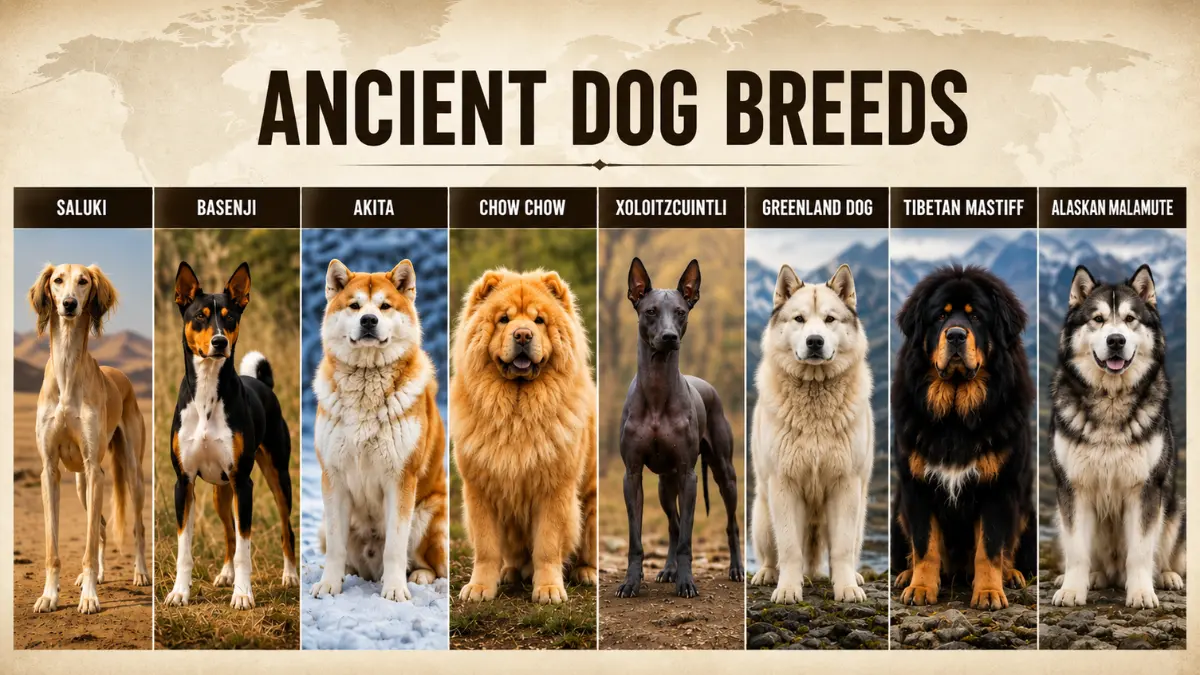
When domestic dogs exhibit persistent behavioral issues—such as intense prey drives, environmental anxiety, or chronic weight gain—the root cause is rarely poor training alone. These traits are typically driven by ancestral genetics linked to the specific geographic regions where the breeds were developed.
Every domestic dog carries a biological legacy. To truly correct modern behavior and metabolic stagnation, we must look directly at the environmental forces that shaped their lineage.
Managed by canine researchers and breed historians, The Native Dogs functions as an open-access archive. We map modern domestic breeds back to their evolutionary Native Dog Breed, analyzing how unique ecosystems hardwire modern canine temperaments, physiological traits, and dietary requirements.
How Regional Geography Dictates Instinctual Behavior
Standard obedience training often fails because it treats all breeds as blank slates. A training methodology optimized for a highly collaborative herding dog cannot simply be mirrored onto an independent livestock guardian bred to work autonomously. Understanding regional evolution directly impacts handling success.
- Mountain Guardians: Forged in remote terrains to repel apex predators. Breeds with these roots possess an innate suspicion of anomalies, low-arousal patience, and natural nocturnal vigilance.
- Maritime Retrievers: Developed for close cooperation with fishermen, resulting in high biddability, intense human focus, and water-resistant double coats designed for thermal regulation.
Evidence-Based Canine Nutrition and Weight Management
An unrecognized aspect of breed heritage is metabolic variation. Feeding uniform, carbohydrate-heavy commercial diets across distinct lineages has fueled a domestic pet obesity crisis that accelerates joint decline, alters metabolic parameters, and reduces total life expectancy.
| Trait |
Primitive / Native Breeds |
Modern Household Dogs |
| Metabolism |
Highly efficient, fat-storing |
Less adapted for scarcity |
| Natural Diet |
Protein & fat dominant |
Mixed commercial diets |
| Weight Gain Risk |
High in low-activity lifestyle |
Moderate |
| Best Exercise |
Low-impact endurance work |
Regular mixed activity |
Primitive landraces and breeds from resource-scarce environments evolved highly efficient, fat-storing metabolisms to survive on sparse rations. In a sedentary household, this efficiency causes rapid fat accumulation. Our dedicated Canine Health resources focus exclusively on low-impact, resistance-based physical conditioning and precise macronutrient balancing to reduce visceral fat safely without risking structural injuries.
Quick Breed Traits
- Temperament: Friendly & Calm
- Size: Medium
- Energy Level: High
- Grooming Needs: Low
- Lifespan: 10–13 years
Frequently Asked Questions
What is a native dog origin?
A native dog origin is the specific geographic region and historical ecosystem where a breed developed. This ancestral background dictates your dog's genetic hardwiring, shaping their modern behavior, prey drives, metabolic rates, and inherent structural health vulnerabilities.
Why do primitive dog breeds gain weight easily?
Breeds from resource-scarce climates evolved highly efficient metabolisms to survive on minimal food reserves. In modern homes, low activity levels combined with carbohydrate-heavy processed diets cause these dogs to store excess energy as fat at an accelerated rate.
How do you manage an overweight dog safely?
Avoid high-impact exercise like running, which strains heavy joints. Transition the dog to a low-carbohydrate, protein-dense diet that mimics ancestral macronutrients, combined with controlled, low-impact exercise like swimming or structured, leashed walking.