
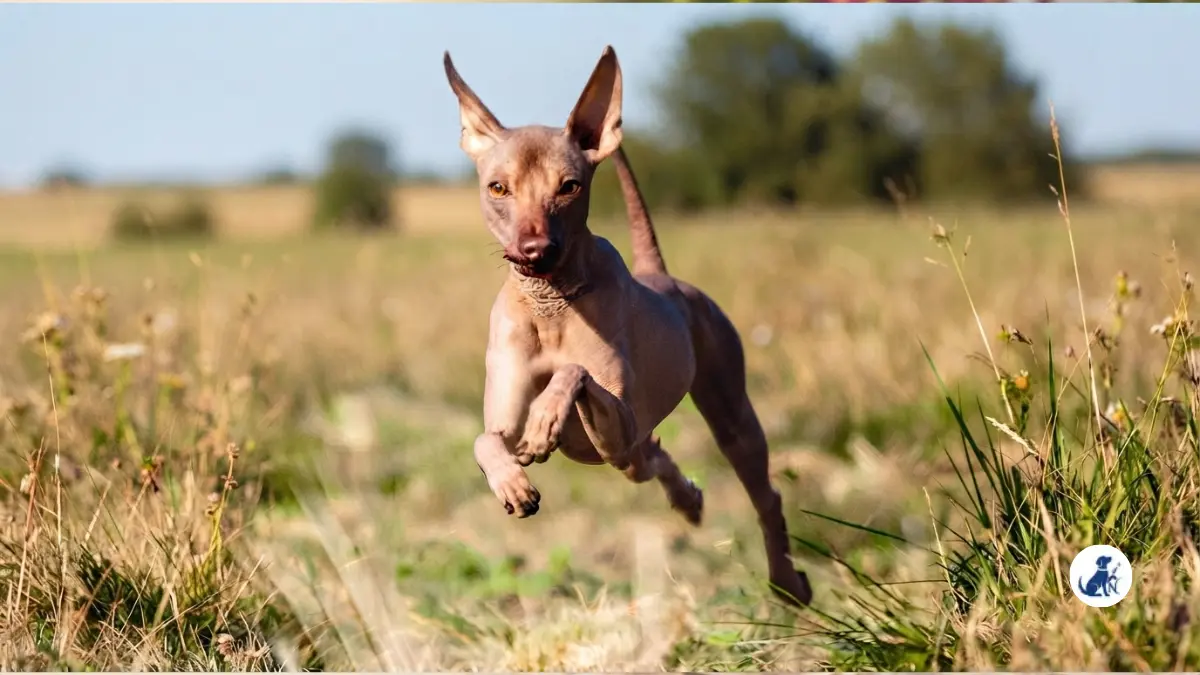
Hairless dog breeds rarely go unnoticed. Their smooth skin and distinctive appearance make them look unlike almost any other dog, but there’s much more to these breeds than first impressions.
People are often drawn to them for different reasons. Some hope a hairless dog will be easier to live with because there’s less shedding. Others simply love their unusual look or are searching for a breed that’s a little different from the ordinary. Whatever brought you here, it’s worth knowing one thing upfront: living with a hairless dog isn’t easier than living with a coated one—it’s simply different.
Instead of spending time brushing thick fur, you’ll devote that effort to keeping the skin healthy, protecting it from harsh weather, and staying consistent with routine care.
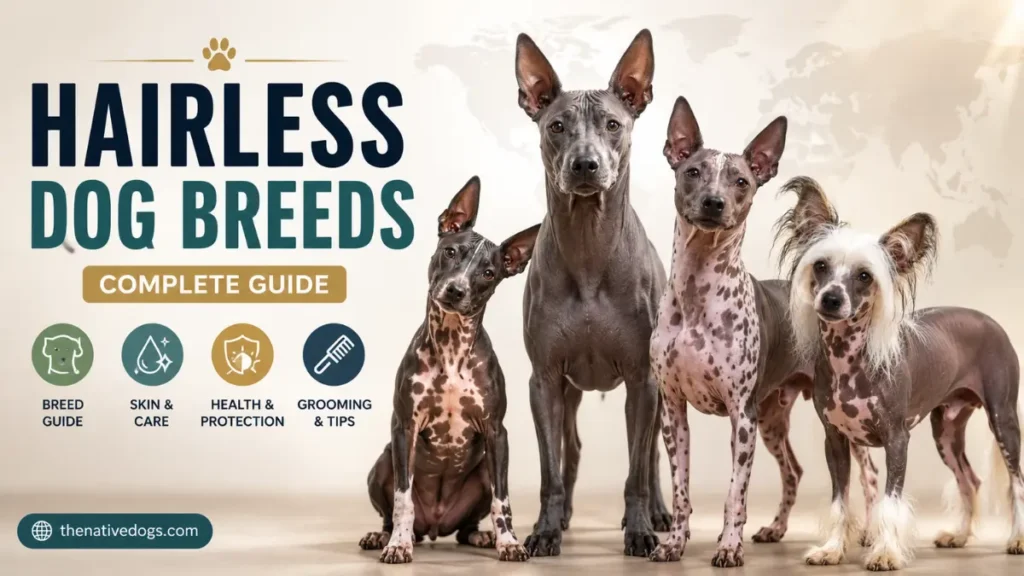
Quick answer: The four best-known hairless dog breeds are the Xoloitzcuintli (Mexican Hairless Dog), Chinese Crested, American Hairless Terrier, and Peruvian Inca Orchid. Although they share a lack of body coat, they differ significantly in temperament, exercise needs, trainability, and day-to-day care.
In this guide, you’ll discover:
- What makes a dog hairless
- The recognized hairless breeds and how they differ
- Whether hairless dogs are really hypoallergenic
- Practical skin and health care tips
- How to decide which breed best matches your lifestyle
What Are Hairless Dog Breeds?
A hairless dog breed is one that naturally develops little or no body coat because of inherited genetics. That definition is straightforward, but it can also be slightly misleading. “Hairless” doesn’t always mean completely bald, and not every dog within a hairless breed looks exactly the same.
Several recognized breeds include both hairless and coated varieties, while others retain small patches of hair on specific parts of the body. Understanding that difference helps set realistic expectations before choosing a breed.
Their appearance may be the first thing people notice, yet the absence of a full coat affects much more than looks. Fur normally acts as a protective layer, helping shield the skin from sunlight, cold weather, minor scrapes, and everyday environmental exposure. Without that natural protection, skin care becomes a regular part of responsible ownership rather than an occasional task.
What makes a dog breed hairless?
Hairlessness is the result of naturally inherited genetic traits that have been maintained through selective breeding over many generations.
In several hairless breeds, those same genetic traits are also associated with differences in tooth development. As a result, some dogs may have fewer teeth or teeth that erupt differently than those of coated dogs.
This shouldn’t be confused with a guarantee of dental disease. Plenty of hairless dogs maintain healthy mouths throughout their lives. The important takeaway is simply that dental care deserves consistent attention from puppyhood onward, just as skin care does.
Are hairless dogs completely hairless?
Not necessarily.
One of the most common misconceptions is that every hairless dog is completely bald. In reality, many aren’t.
For example:
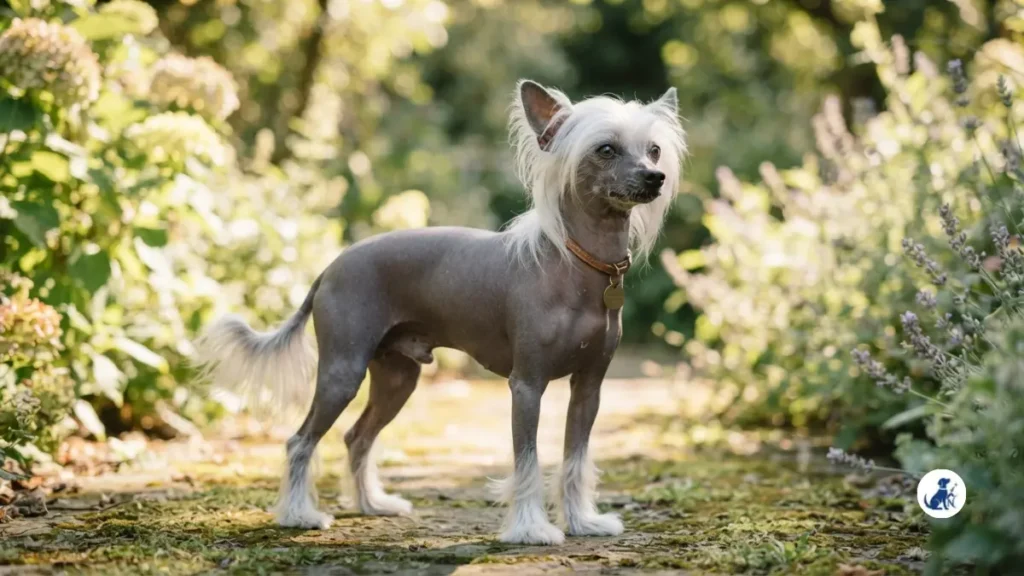
- Chinese Crested (Hairless): Usually has flowing hair on the head, feet, and tail.
- Xoloitzcuintli: Exists in both hairless and coated varieties.
- American Hairless Terrier: Recognized in both forms.
- Peruvian Inca Orchid: May also be hairless or coated.
In other words, “hairless” generally describes the absence of a full body coat rather than the complete absence of hair.
Why do some dog breeds have little or no hair?
Hairless breeds did not develop from a single ancestor or in one part of the world.
The Xoloitzcuintli, often called the Mexican Hairless Dog, has a history stretching back thousands of years and is widely regarded as one of the oldest surviving dog breeds. By comparison, the American Hairless Terrier is a modern breed developed in the United States from Rat Terrier lines.
Those very different histories help explain why these breeds don’t share the same personality or lifestyle requirements. A calm, reserved Xolo offers a different ownership experience from an energetic American Hairless Terrier, even though both are considered hairless breeds.
For anyone choosing between them, appearance should be the starting point—not the deciding factor. Temperament, activity level, grooming routine, and compatibility with your household will have a much bigger influence on everyday life than whether a dog has fur.
Recognized Hairless Dog Breeds
Only a handful of hairless breeds are widely recognized and well documented. Each has its own history, temperament, and care requirements, so treating them as interchangeable often leads to unrealistic expectations.
The next sections look at each breed individually, making it easier to understand where they differ and which type of owner they’re generally best suited to.
[Image Placement: Comparison graphic showing the four recognized hairless breeds.]
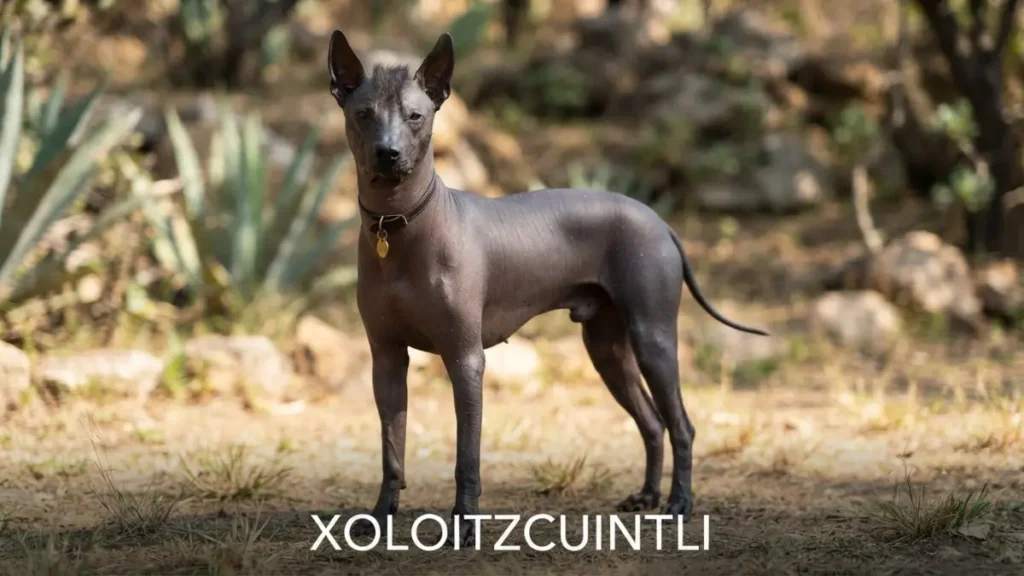
Xoloitzcuintli (Mexican Hairless Dog)
Few breeds have a history as remarkable as the Xoloitzcuintli, commonly shortened to Xolo. Native to Mexico, this ancient breed has shared people’s lives for thousands of years and is widely recognized as one of the oldest surviving dog breeds.
Today, the Xolo comes in Toy, Miniature, and Standard sizes. Prospective owners can also choose between hairless and coated varieties, both of which are officially recognized.
The Xolo’s personality often surprises first-time owners. People sometimes expect an exotic-looking dog to be bold and attention-seeking, but many Xolos are exactly the opposite. They usually take a quiet, observant approach to unfamiliar situations, preferring to assess what’s happening before joining in.
Once they’ve accepted someone as part of their circle, however, they often become exceptionally loyal companions. Many owners describe the breed as calm, affectionate, and deeply connected to its family without being overly demanding.
A Xolo may be a good fit if you appreciate a dog that is:
- Loyal without being clingy
- Intelligent and eager to learn
- Calm around the home
- Naturally alert without excessive barking
Because this breed tends to be reserved with strangers, early socialization plays an important role. Positive exposure to new people, places, sounds, and everyday situations helps build confidence while allowing the breed to keep its naturally composed temperament.
Their skin deserves just as much attention as their behavior. Protection from prolonged sun exposure, extra warmth during colder months, and consistent dental care should all become part of normal ownership rather than occasional tasks.
Chinese Crested
The Chinese Crested proves that a memorable appearance and an affectionate personality can go hand in hand.
Although many people recognize the breed instantly because of its distinctive look, owners usually remember it for something else—its strong attachment to people.
The breed comes in two varieties:
- Hairless
- Powderpuff
The Hairless variety typically carries silky hair on the head, feet, and tail, while the Powderpuff has a soft, flowing coat that requires more traditional grooming.
Chinese Cresteds are often happiest when they’re included in everyday family life. They enjoy companionship, adapt well to indoor living, and are just as content relaxing beside their owner as they are joining in a short play session.
For many households, that balance is one of the breed’s biggest strengths.
They’re often well suited to people who want a dog that:
- Fits comfortably into apartment living
- Enjoys close interaction with family
- Doesn’t require hours of daily exercise
- Responds well to gentle, positive training
Despite the reduced coat, regular care is still important. Healthy skin requires attention throughout the year, and owners should watch for dryness, irritation, or excessive exposure to sunlight rather than assuming less fur automatically means less maintenance.
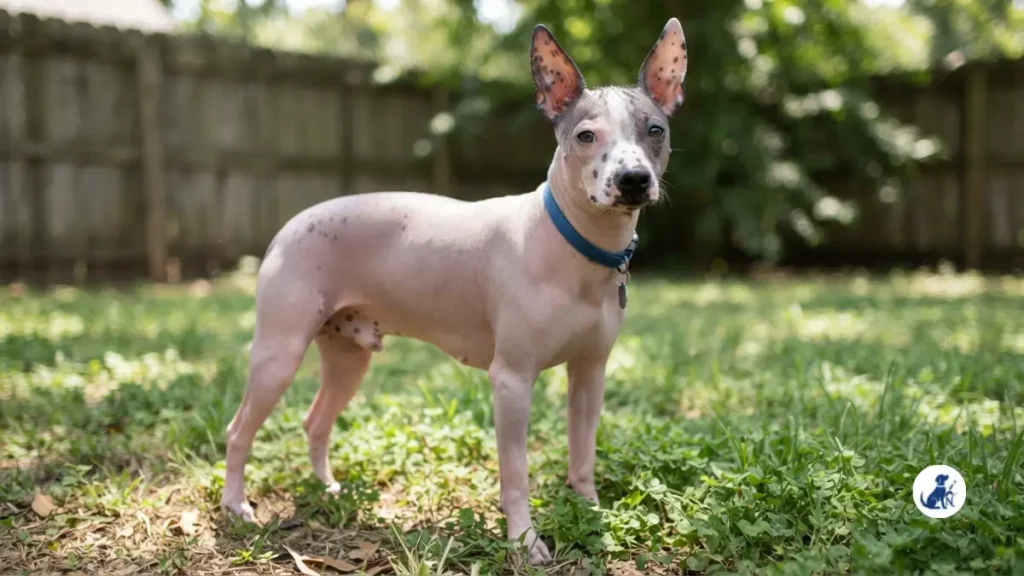
American Hairless Terrier
The American Hairless Terrier brings a noticeably different energy to the group.
Developed from Rat Terrier ancestry in the United States, this breed has retained the curiosity, confidence, and enthusiasm that terriers are famous for. Sitting still for long periods usually isn’t its first choice. Exploring, learning, and interacting with the world are far more appealing.
That lively personality makes this breed especially rewarding for owners who enjoy doing things with their dogs instead of simply sharing the same space.
Daily life with an American Hairless Terrier often includes:
- Walks that involve plenty of sniffing and exploring
- Short, engaging training sessions
- Interactive games
- Food puzzles or enrichment toys
Mental exercise matters almost as much as physical activity. When intelligent terriers become bored, they often invent their own entertainment—and it isn’t always something owners appreciate.
Although this breed is energetic, it isn’t difficult to manage when its needs are met consistently. Add sensible skin care and protection from harsh weather, and it becomes an active, enjoyable companion for many households.
Peruvian Inca Orchid (Peruvian Hairless Dog)
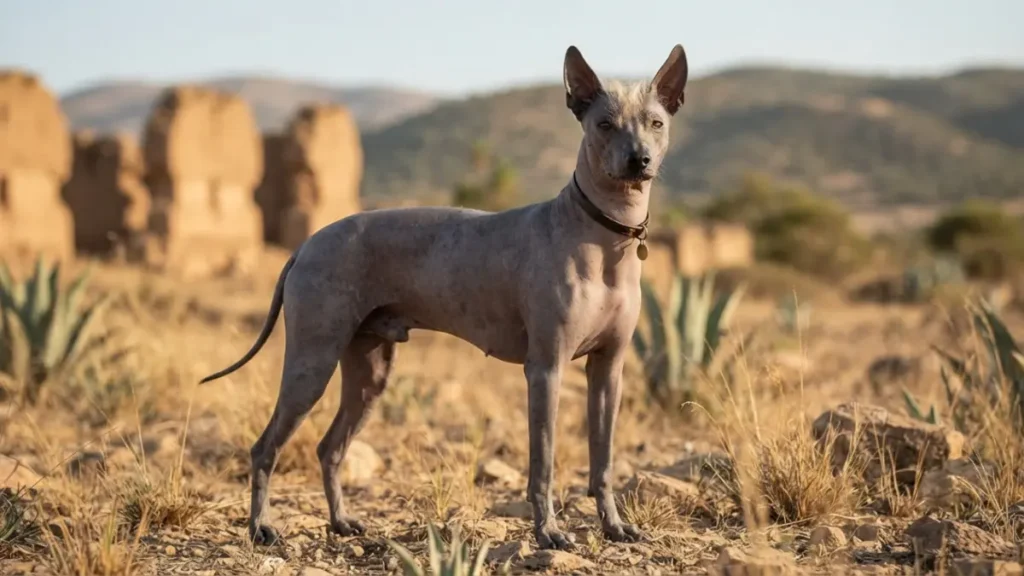
Elegant without being fragile, the Peruvian Inca Orchid has earned a loyal following among people who appreciate intelligent, thoughtful dogs.
It’s one of the rarest recognized hairless breeds, and its temperament often reflects a quiet confidence rather than constant sociability.
Many bond deeply with their families while remaining naturally reserved around unfamiliar people. That shouldn’t be mistaken for nervousness or aggression. In many cases, the breed simply prefers to observe before deciding whether to engage.
Owners who understand and respect that personality often find the relationship especially rewarding.
Patient socialization is one of the most valuable investments you can make with this breed. Gentle introductions to new experiences help build confidence without forcing uncomfortable interactions.
Because the breed is relatively uncommon, choosing a responsible breeder or rescue becomes even more important. Careful breeding, health screening, and proper early socialization have a lasting influence on a puppy’s future.
Routine skin care, protection from extreme weather, and positive, reward-based training complete the foundation of responsible ownership.
Are There Other Hairless Dogs?
You’ll occasionally find references to additional hairless dogs while researching online.
Some are regional landraces, others are local populations, and some are mixed-breed dogs that happen to share a hairless appearance. Reliable information about these dogs can be limited, making it difficult to draw accurate conclusions about temperament, health, or long-term care.
For most prospective owners, the four established breeds remain the most practical place to begin. Their histories are well documented, veterinary guidance is easier to find, and responsible breeders or rescue organizations are generally more accessible.
Hairless Dog Breeds Comparison
Although all four breeds are classified as hairless dogs, daily life with each one can feel surprisingly different.
One may happily spend an evening relaxing beside you, while another is already looking for the next game, training session, or outdoor adventure. Understanding those differences before choosing a breed usually leads to a much better long-term match.
| Breed | Size | Energy Level | Personality | Primary Care Focus | Often Best For |
|---|---|---|---|---|---|
| Xoloitzcuintli | Toy, Miniature, Standard | Moderate | Calm, loyal, observant | Skin & dental care | Owners wanting a devoted companion |
| Chinese Crested | Small | Low to Moderate | Affectionate, playful | Skin care | Companion homes and apartments |
| American Hairless Terrier | Small to Medium | Moderate to High | Curious, energetic | Exercise & enrichment | Active owners |
| Peruvian Inca Orchid | Small to Large | Moderate | Intelligent, reserved | Socialization & skin care | Experienced owners |
Size
Hairless breeds offer more variety than many people expect.
Someone living in a smaller apartment may naturally gravitate toward a Chinese Crested or a Toy or Miniature Xolo, while owners who prefer medium or larger dogs often look more closely at a Standard Xolo or a larger Peruvian Inca Orchid.
Still, size is only one piece of the puzzle. Your available space, daily routine, activity level, and the amount of time you can realistically dedicate to your dog will usually have a greater impact on long-term satisfaction than height or weight alone.
Temperament
Grouping these breeds under the label “hairless dogs” makes sense from an appearance standpoint, but it tells you very little about what they’re actually like to live with.
A Xoloitzcuintli often prefers a quieter pace. Many owners describe the breed as observant rather than outgoing. Instead of greeting every visitor with excitement, a Xolo will often take a moment to assess the situation before deciding how to respond. Once a bond is established, however, that reserved nature usually gives way to remarkable loyalty.
Life with a Chinese Crested feels noticeably different. These dogs often seek out human company and genuinely enjoy being included in everyday routines. Whether it’s curling up beside you while you work or joining a short play session in the living room, they tend to stay happiest when they feel part of the family.
The American Hairless Terrier brings a completely different dynamic. Curiosity seems to fuel almost everything it does. A new walking route, a puzzle toy, or a short training session can all become exciting opportunities to explore and learn.
The Peruvian Inca Orchid usually takes a more measured approach. It often forms close relationships with its family but may remain reserved with unfamiliar people until trust develops naturally. Owners who respect that pace are often rewarded with a deeply devoted companion.
Rather than asking which temperament is “better,” it’s more useful to think about which personality would feel most comfortable in your home. The right match isn’t always the most popular breed—it’s the one that naturally fits your lifestyle.
Energy Level
Exercise needs vary just as much as personality.
If you enjoy an active lifestyle and want a dog that’s always ready to join in, the American Hairless Terrier is usually the strongest candidate. It tends to enjoy long walks, games, training sessions, and anything that keeps both body and mind occupied.
A Chinese Crested usually asks for something different. Daily walks and a little playtime are important, but once those needs are met, many are perfectly content relaxing with their owners for the rest of the day.
Xoloitzcuintlis often sit somewhere between those two extremes. They appreciate regular activity and mental stimulation, yet they’re equally happy settling down once they’ve had enough exercise.
The Peruvian Inca Orchid also benefits from daily movement, although outdoor plans sometimes need adjusting to suit the weather. Strong sunlight, freezing temperatures, or harsh winds may require shorter outings or additional protection.
Instead of choosing the breed with the highest energy level, choose the one whose routine already resembles your own. That decision often has a greater impact on long-term success than almost any other factor.
Grooming and Skin Care
The biggest surprise for many first-time owners is that hairless dogs still require regular grooming.
The difference is simply where your attention goes.
Instead of brushing loose hair every week, you’ll spend more time monitoring skin condition and protecting it from environmental damage.
A healthy routine generally includes:
- Looking over the skin during normal handling.
- Bathing when dirt or excess oil builds up.
- Trimming nails before they become uncomfortable.
- Checking the ears regularly.
- Protecting exposed skin from harsh weather.
- Keeping up with dental care.
Once these habits become part of everyday life, most owners find the routine straightforward rather than time-consuming.
Trainability
All four recognized breeds are capable learners, but each approaches training in its own way.
The American Hairless Terrier often enjoys variety. Repeating the same exercise too many times may quickly become boring, whereas short sessions with changing activities usually keep the dog engaged.
A Chinese Crested often responds well to gentle encouragement and positive reinforcement. Many enjoy learning because it creates another opportunity to interact with their owner.
Training a Xoloitzcuintli or Peruvian Inca Orchid is often less about enthusiasm and more about trust. Once a strong relationship develops, these breeds usually respond well to calm, consistent guidance.
Whatever the breed, positive reinforcement remains the most reliable approach. Rewarding the behaviors you want is generally far more effective than correcting the ones you don’t.
Which Hairless Dog Breed Is Best?
The honest answer is that there isn’t one.
Each breed excels in different circumstances, which is exactly why comparing lifestyles is more useful than comparing popularity.
A Chinese Crested may be ideal for someone looking for a smaller companion that enjoys close family life.
An American Hairless Terrier often appeals to owners who want a dog that shares an active routine rather than simply watches from the sidelines.
People searching for a calm, loyal companion frequently find themselves drawn to the Xoloitzcuintli, while those who appreciate uncommon breeds with a thoughtful personality often prefer the Peruvian Inca Orchid.
When choosing between them, ask yourself a simple question: Which dog would fit naturally into the life I already live? That answer is usually more valuable than any breed ranking.
Are Hairless Dogs Hypoallergenic?
This question comes up so often that it’s easy to understand why confusion still exists.
The short answer is no. Hairless dogs are not completely hypoallergenic.
Their reduced coat may mean there’s less loose hair around your home, but the proteins responsible for most dog allergies are still present.
Why Do People Think Hairless Dogs Are Hypoallergenic?
The misunderstanding usually starts with shedding.
Since these breeds leave far less hair on furniture, clothing, and carpets, many people naturally assume they’ll also produce fewer allergens.
Unfortunately, those two things aren’t the same.
Hair simply carries allergens. It isn’t usually what causes the allergic reaction.
What Actually Triggers Dog Allergies?
For most people, allergies are linked to proteins found in a dog’s:
- Dander (dead skin cells)
- Saliva
- Urine
Hairless dogs still produce those proteins, which means allergic reactions remain possible even when shedding is minimal.
That’s why one person may live comfortably with a hairless breed while another experiences symptoms almost immediately.
Can Hairless Dogs Still Be a Better Choice for Some People?
Sometimes, yes.
Some allergy sufferers report milder symptoms around hairless breeds because there’s less loose hair spreading allergens throughout the home.
Others notice little difference at all.
The safest approach is to spend time with adult dogs of the breed before making a decision. If allergies are severe, speaking with an allergy specialist or healthcare professional beforehand is also worthwhile.
How to Care for a Hairless Dog
Caring for a hairless dog is less about complicated routines and more about consistency.
Small habits repeated regularly usually do more for long-term skin health than occasional intensive grooming sessions.
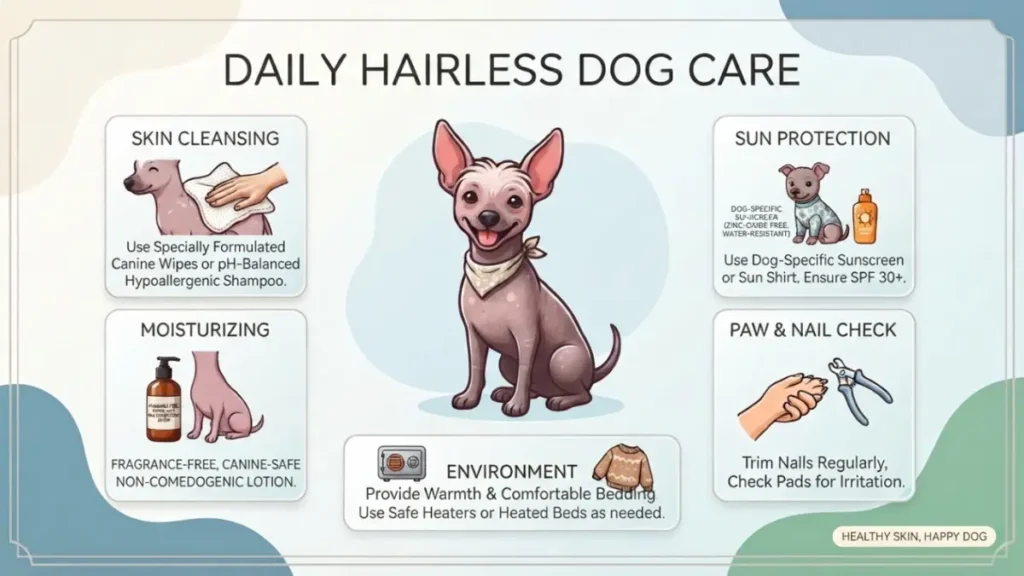
| Care Task | Typical Frequency | Purpose |
|---|---|---|
| Skin check | Daily | Spot irritation early |
| Bathing | As needed | Remove dirt and excess oil |
| Moisturizing | When appropriate | Help manage dry skin |
| Sun protection | Before prolonged outdoor time | Reduce the chance of sunburn |
| Cold protection | During colder weather | Improve comfort |
| Dental care | Regularly | Maintain oral health |
| Nail and ear care | Routine | Support overall hygiene |
Rather than following a rigid schedule, let your dog’s skin guide your routine.
Check for anything unusual during everyday handling, bathe only when necessary, protect exposed skin during harsh weather, and stay consistent with dental care. Those simple habits form the foundation of responsible ownership.
Skin Care
For most hairless dogs, healthy skin isn’t just one part of grooming—it’s the center of it.
The good news is that skin care doesn’t have to be complicated. What matters most is paying attention to small changes before they become larger problems.
You don’t need to perform a detailed inspection every day. In many cases, simply running your hands over your dog while relaxing together is enough to notice if something feels or looks different.
Keep an eye out for:
- Dry or flaky areas
- Redness
- Pimples or clogged pores
- Small cuts or scrapes
- Unusual lumps
- Persistent odor
- Frequent licking or scratching of the same spot
None of these automatically signals a serious condition, but they do deserve attention—especially if they persist or worsen over time.
If you’re ever unsure, it’s safer to ask your veterinarian than to experiment with products at home.
Human moisturizers, medicated creams, and skincare products may contain ingredients that aren’t appropriate for dogs, even if they seem harmless.
Bathing
There’s no universal bathing schedule for hairless dogs.
Two dogs of the same breed may need completely different routines depending on their skin type, environment, activity level, and the season.
Instead of following a fixed calendar, let your dog’s skin tell you what it needs.
When bathing becomes necessary, use a gentle shampoo formulated specifically for dogs. Rinse thoroughly so that no residue remains on the skin, as leftover product can sometimes contribute to irritation.
If bathing consistently leaves your dog’s skin feeling dry or flaky, don’t simply bathe more—or less. A quick conversation with your veterinarian can help determine whether the issue is related to the bathing routine, the shampoo, or another underlying cause.
Moisturizing
One misconception is that every hairless dog needs moisturizer every day.
That’s not the case.
Some dogs naturally maintain healthy skin without any additional products, while others occasionally develop dry patches that benefit from extra care.
Rather than treating moisturizing as a routine requirement, think of it as something that depends on the individual dog.
If dryness becomes persistent, ask your veterinarian whether a dog-safe moisturizer is appropriate. Applying products too frequently or using unsuitable ingredients may create new skin problems instead of solving the original one.
Sun Protection
Without a coat acting as natural protection, many hairless dogs are more vulnerable to prolonged sun exposure.
Fortunately, protecting their skin usually comes down to practical everyday decisions rather than complicated routines.
Helpful habits include:
- Planning longer walks during cooler parts of the day.
- Taking advantage of shaded areas whenever possible.
- Using lightweight protective clothing for extended time outdoors.
- Applying a dog-safe sunscreen only when recommended by your veterinarian.
Remember that sunscreen made for people isn’t automatically safe for dogs, particularly if there’s a chance the product could be licked from the skin.
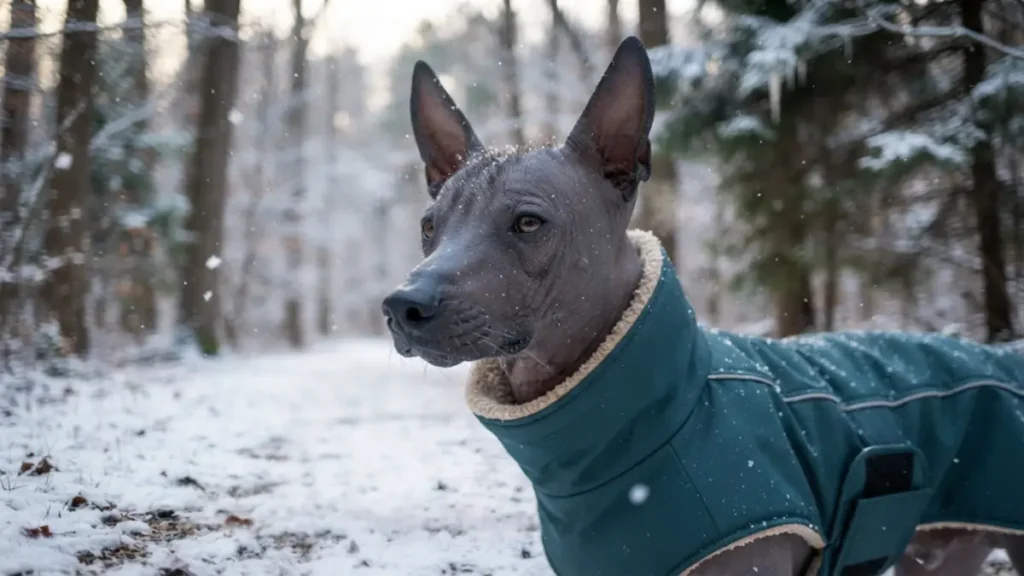
Cold-Weather Care
Winter presents a different challenge.
Without much natural insulation, many hairless dogs lose body heat more quickly than coated breeds. Wind, rain, and damp conditions can make them uncomfortable even before temperatures become extremely cold.
Simple adjustments usually solve the problem.
A well-fitted sweater or coat often makes walks far more comfortable. During severe weather, shorter outdoor trips may be a better choice than long periods outside. Once you’re back indoors, drying your dog thoroughly and providing a warm resting place helps restore comfort.
Young puppies, senior dogs, and smaller individuals often need extra protection because they generally regulate body temperature less efficiently.
Nail, Ear, and Dental Care
Skin may receive the most attention, but it shouldn’t become the only focus of grooming.
Healthy nails improve movement and comfort, clean ears reduce the chance of irritation, and good dental care supports overall health throughout a dog’s life.
Trim nails before they become long enough to affect your dog’s gait. Check the ears regularly rather than cleaning them unnecessarily, and watch for redness, unusual odor, or excess debris.
Dental care deserves particular attention in several hairless breeds because inherited tooth differences are relatively common. Regular brushing, veterinary dental examinations, and professional cleanings when recommended are often far more valuable than waiting until a problem develops.
Health Considerations for Hairless Dogs
Hairless dogs aren’t inherently unhealthy, but they do have a few areas that deserve closer attention than they might in heavily coated breeds.
Fortunately, most concerns can be managed effectively through preventive care, routine veterinary visits, and consistent observation at home.
Common Skin Issues
Healthy skin varies from dog to dog, which is why becoming familiar with what’s normal for your own pet is so helpful.
Potential issues may include:
- Dry skin
- Sunburn
- Minor cuts or scrapes
- Clogged pores
- Skin irritation
- Bacterial or yeast infections
These aren’t inevitable. Many hairless dogs experience few skin problems throughout their lives, particularly when owners establish good preventive routines.
Contact your veterinarian if you notice:
- Persistent redness
- Swelling
- Open sores
- Repeated bumps
- Frequent scratching
- A strong or unusual odor
- Signs of infection or discharge
Addressing problems early is often simpler than waiting until they become more advanced.
Dental Concerns
In some hairless breeds, the genetics responsible for reduced coat growth are also associated with differences in tooth development.
That doesn’t mean dental disease is unavoidable. It simply means preventive care becomes even more important.
Brushing your dog’s teeth regularly, scheduling routine dental examinations, and watching for signs such as bleeding gums, loose teeth, persistent bad breath, or difficulty chewing can help identify concerns before they become serious.
Temperature Sensitivity
Most hairless dogs notice changes in temperature sooner than heavily coated breeds.
Summer increases the need for sun protection, while colder months often call for extra warmth.
Rather than relying on a fixed rule, pay attention to how your own dog responds. Age, body size, health, activity level, and weather conditions all influence how much protection may be needed on any given day.
When to See a Veterinarian
Good home care is important, but it has limits.
Arrange a veterinary examination if your dog develops:
- Ongoing skin irritation
- Persistent itching
- Dental pain
- Loss of appetite
- Sudden changes in behavior
- Signs of infection
- Any skin problem that continues despite routine care
When something seems unusual, seeking professional advice early is almost always the safest choice.
Are Hairless Dog Breeds Right for You?
Choosing a hairless dog isn’t really about deciding which breed looks the most unusual. The more important question is whether its personality, care requirements, and activity level fit naturally into the life you already live.
That’s what usually determines whether ownership feels rewarding or frustrating over the years.
Best for Families
Hairless breeds can make wonderful family companions, but no breed is automatically a perfect fit for every household.
Families looking for a gentle, companion-oriented dog often gravitate toward the Chinese Crested. Many enjoy close contact with their owners and settle comfortably into everyday family routines.
If your household spends plenty of time outdoors or enjoys interactive play, the American Hairless Terrier may be a more natural choice. It generally appreciates having something to do, whether that’s exploring a new trail, learning a trick, or joining a game in the backyard.
The Xoloitzcuintli also thrives in many family homes, particularly those that appreciate a quieter companion. Because the breed may be cautious around unfamiliar people, early socialization helps build confidence without changing its naturally reserved character.
Whatever breed you choose, young children should always be supervised when interacting with dogs.
Best for Apartment Living
Many people assume apartment living automatically limits their breed options, but that’s rarely the whole story.
A dog’s ability to settle indoors, its exercise needs, and its temperament often matter more than square footage alone.
The Chinese Crested is widely regarded as an excellent apartment companion because it’s generally content spending time close to its family once its daily exercise needs have been met.
Toy and Miniature Xoloitzcuintlis can also adapt well to apartment life, provided they receive regular walks, enrichment, and opportunities to explore beyond the front door.
The American Hairless Terrier is certainly capable of apartment living too, although owners should be prepared to provide more structured physical activity and mental stimulation.
Best for Active Owners
If your idea of a perfect weekend includes hiking, exploring new walking trails, or spending long hours outdoors, some hairless breeds are likely to suit you better than others.
Among the four major breeds, the American Hairless Terrier usually has the highest drive for activity and engagement.
Larger Xoloitzcuintlis and Peruvian Inca Orchids can also make excellent companions for active owners, but weather conditions deserve a little more planning. Extended exposure to intense sunlight or freezing temperatures may require adjustments to your schedule.
The goal isn’t simply to exercise more—it’s to exercise wisely.
Best for First-Time Owners
Owning your first dog doesn’t mean you have to avoid hairless breeds.
Many beginners feel comfortable with the Chinese Crested because of its manageable size, affectionate nature, and moderate exercise requirements.
That said, successful ownership depends far more on preparation than experience. Learning about skin care, positive training methods, preventive healthcare, and breed-specific needs before bringing a puppy home often makes a bigger difference than whether you’ve owned a dog before.
Who Might Prefer Another Breed?
Hairless breeds aren’t ideal for every lifestyle.
You may be happier with another type of dog if you:
- Want minimal day-to-day grooming responsibilities.
- Expect your dog to spend long periods outdoors.
- Prefer a breed that needs little attention to skin care.
- Live in an area where protecting a dog from extreme weather would be difficult.
- Are choosing primarily because the dog looks unusual.
Choosing a breed that genuinely suits your daily routine is almost always a better decision than choosing one based on appearance alone.
Common Mistakes New Owners Make
Most challenges with hairless dogs don’t come from the breeds themselves. They come from expectations that don’t match reality.
Fortunately, many of the most common mistakes are easy to avoid once you know what to expect.
Assuming Hairless Means Low Maintenance
The absence of a coat often creates the impression that grooming becomes almost unnecessary.
In reality, the focus simply changes.
Instead of brushing fur, you’ll spend time monitoring skin health, trimming nails, cleaning ears, maintaining dental hygiene, and protecting your dog from extreme weather.
The routine is different—not smaller.
Overlooking Sun Protection
Because exposed skin receives direct sunlight, spending long periods outdoors without planning ahead may increase the risk of sunburn.
Simple adjustments, such as walking earlier in the morning, choosing shaded routes, or following your veterinarian’s advice about dog-safe sun protection, often make a significant difference.
Bathing More Than Necessary
It can be tempting to bathe a hairless dog frequently simply because the skin is visible.
Unfortunately, excessive bathing may strip away natural oils that help maintain a healthy skin barrier.
A consistent routine based on your individual dog’s needs is usually more effective than following a strict schedule.
Treating Dental Care as an Afterthought
Skin tends to receive most of the attention, but oral health deserves the same level of consistency.
Regular tooth brushing, routine veterinary dental examinations, and addressing small problems early can contribute to better long-term health.
Choosing With Your Eyes Instead of Your Lifestyle
A distinctive appearance is what attracts many people to hairless breeds.
It’s rarely what keeps owners happy for the next decade.
Temperament, exercise needs, grooming responsibilities, climate, and the amount of time you can realistically devote to your dog have a much greater influence on everyday life than appearance ever will.
Frequently Asked Questions
Are hairless dogs good family pets?
Yes, many are. When they’re well socialized and placed in a suitable home, hairless breeds can become affectionate, loyal companions that integrate well into family life.
Are hairless dogs completely hypoallergenic?
No. Although they usually shed much less hair than coated breeds, they still produce allergens found in dander, saliva, and urine.
Do hairless dogs need sunscreen?
Some do. Depending on your dog’s skin, local climate, and daily routine, your veterinarian may recommend dog-safe sunscreen, protective clothing, limiting sun exposure, or a combination of these measures.
Do hairless dogs get cold easily?
Many do. Without the insulation of a full coat, they often become uncomfortable in cold weather sooner than heavily coated breeds and may benefit from warm clothing.
Which hairless breed is best for first-time owners?
For many households, the Chinese Crested is considered one of the more approachable choices because of its size, adaptable nature, and companion-focused personality. Even so, every breed still benefits from consistent training and responsible care.
Which hairless breed has the highest energy level?
Among the four widely recognized breeds, the American Hairless Terrier is generally regarded as the most energetic.
Do hairless dogs still need grooming?
Absolutely. Grooming focuses less on coat care and more on maintaining healthy skin, trimming nails, cleaning ears, and supporting good dental health.
Are hairless dogs rare?
Some are. The Peruvian Inca Orchid remains relatively uncommon, while the Chinese Crested and Xoloitzcuintli are more familiar but still less common than many popular companion breeds.
What is the Mexican Hairless Dog called?
Its official breed name is Xoloitzcuintli, although it’s commonly referred to simply as the Xolo.
Key Takeaways
Hairless dog breeds are far more diverse than their appearance might suggest. While they all share reduced coat coverage, they differ significantly in personality, activity level, trainability, and day-to-day care.
The Xoloitzcuintli, Chinese Crested, American Hairless Terrier, and Peruvian Inca Orchid each suit different types of owners. Understanding those differences before bringing a dog home is far more valuable than focusing on appearance alone.
Successful ownership comes down to consistency rather than complexity. Regular skin care, sensible weather protection, good dental hygiene, appropriate exercise, and routine veterinary care form the foundation of a healthy life for any hairless breed.
If you’re still deciding which breed feels right, spend time learning about each one individually. Matching a dog’s temperament and care needs to your own lifestyle is one of the best ways to build a rewarding relationship that lasts for years.