
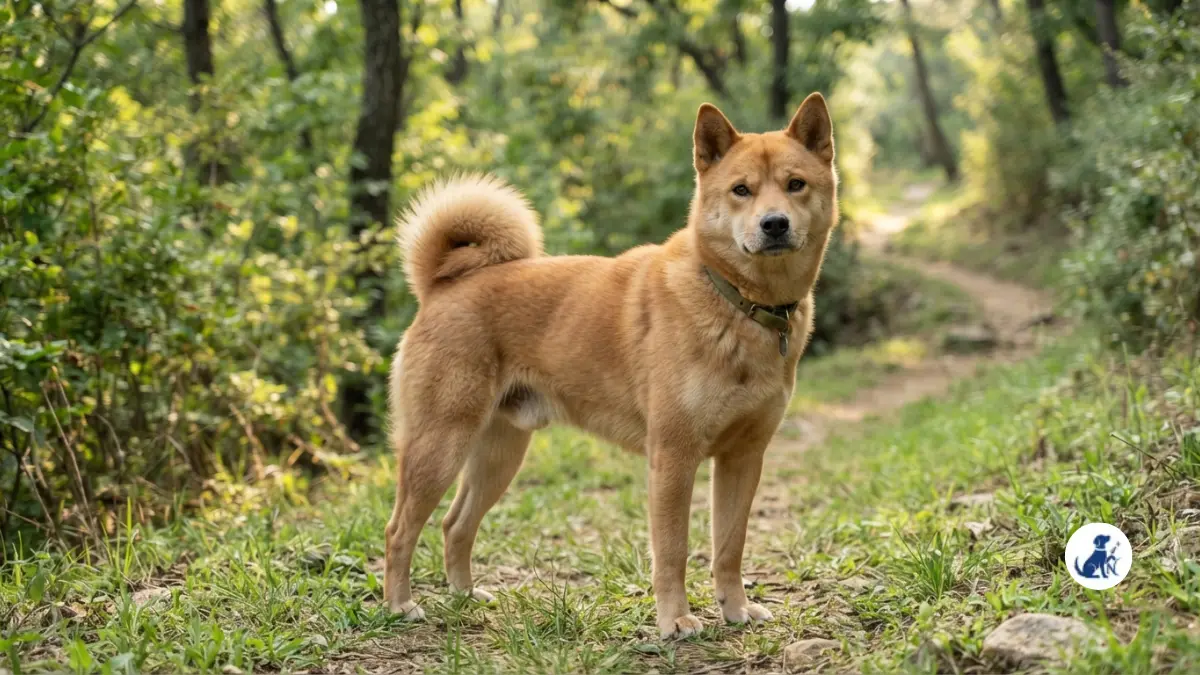
The Jindo Dog, also known as the Korean Jindo, is one of the world’s most loyal and intelligent dog breeds. Developed on Jindo Island in South Korea, this medium-sized Spitz-type hunting dog is admired for its unwavering devotion to its family, sharp instincts, athletic ability, and naturally clean, cat-like habits.
Despite these qualities, the Jindo is not the ideal breed for every household. These dogs form exceptionally strong bonds with their owners, but they are also independent thinkers with a high prey drive and a natural instinct to protect their home and family. They thrive with consistent training, early socialization, and owners who understand and respect their unique temperament rather than trying to change it.
This complete guide covers everything prospective and current owners need to know about the Jindo Dog, including its temperament, size, lifespan, grooming requirements, exercise needs, training, health, nutrition, and everyday care. Whether you are researching the breed before bringing one home or already share your life with a Jindo, this guide provides practical, evidence-based information to help you make informed decisions.
Jindo Dog at a Glance
| Trait | Details |
|---|---|
| Breed Name | Jindo Dog (Korean Jindo) |
| Origin | Jindo Island, South Korea |
| Breed Group | Hunting and Companion Dog (Spitz-Type Breed) |
| Size | Medium |
| Height | Males: 19.5–21.5 in (50–55 cm) Females: 17.5–19.5 in (45–50 cm) |
| Weight | Males: 40–50 lb (18–23 kg) Females: 33–42 lb (15–19 kg) |
| Average Lifespan | About 12–15 years |
| Energy Level | High |
| Trainability | Intelligent but Independent |
| Grooming Needs | Moderate |
| Shedding | Moderate year-round with heavier seasonal coat blows |
| Good With Children | Usually good with respectful children when properly socialized |
| Good With Other Pets | Can be challenging because of a strong prey drive and possible same-sex dog intolerance |
| Best For | Experienced, active owners |
Is the Jindo Dog Right for You?
A Jindo may be an excellent choice if you:
- Want a loyal and deeply devoted companion.
- Enjoy daily walks, hiking, or other outdoor activities.
- Have experience with independent dog breeds.
- Can provide consistent, reward-based training.
- Have time for ongoing socialization and mental enrichment.
A Jindo may not be the best fit if you:
- Want a dog that eagerly greets every stranger.
- Expect reliable off-leash recall in unfenced areas.
- Have multiple small pets without a safe management plan.
- Prefer a highly social, easygoing breed that welcomes every visitor.
- Are looking for a low-commitment or beginner-friendly dog.
Choosing a breed that matches your lifestyle is one of the most important decisions you can make. Understanding the Jindo’s natural instincts from the beginning helps set realistic expectations and supports a successful long-term relationship.
What Is a Jindo Dog?
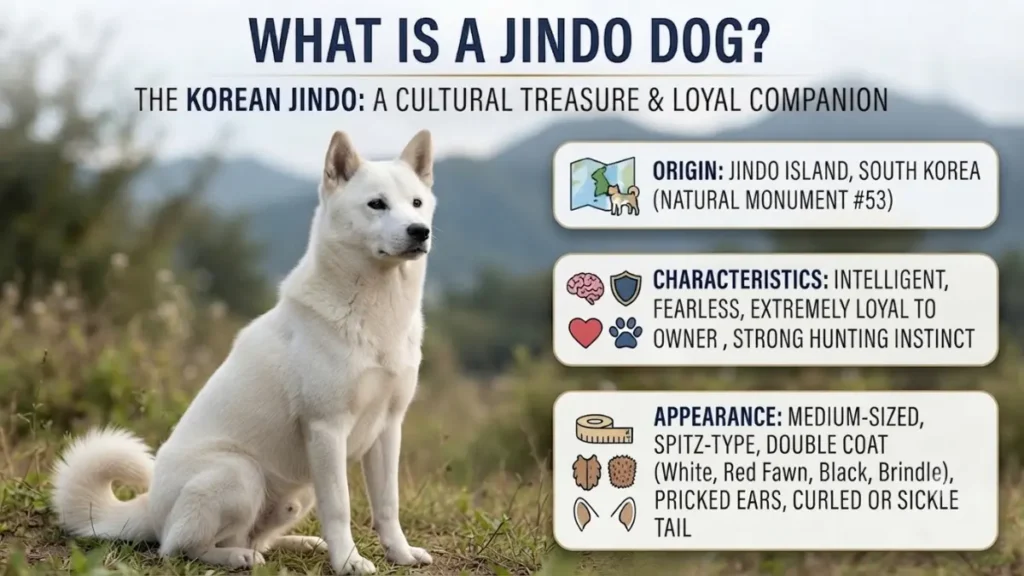
The Jindo Dog is a native Korean breed that originated on Jindo Island, located off the southwest coast of South Korea. For generations, these dogs were valued for their ability to hunt independently while maintaining an exceptionally strong bond with their owners.
Unlike many modern breeds created through extensive crossbreeding, the Jindo has long been recognized as a distinct native breed. Its history reflects centuries of natural adaptation and careful selective breeding for intelligence, endurance, courage, loyalty, and hunting ability.
Today, the Korean Jindo is appreciated worldwide not only for its working skills but also for its remarkable loyalty, clean habits, and strong family bond.
Breed History
Although the breed’s exact origins are not fully documented, the Jindo is widely recognized as one of Korea’s indigenous dog breeds. It became closely associated with Jindo Island, where geographic isolation helped preserve the breed’s unique characteristics over many generations.
Historically, hunters relied on Jindos to track and pursue game such as:
- Rabbits
- Pheasants
- Deer
- Wild boar
Success in these demanding hunting environments required qualities that continue to define the breed today:
- Excellent scenting ability
- Strong problem-solving skills
- Physical endurance
- Confidence
- Independent decision-making
- Deep loyalty to its handler
Today, the Jindo remains an important part of Korea’s cultural heritage and continues to be recognized internationally through established breed standards.
Original Purpose
The Jindo was originally developed as a hunting dog capable of working with minimal human direction.
That working background explains many of the behaviors owners still see today, including:
- Strong instinct to chase moving animals
- Excellent environmental awareness
- Confidence when making decisions
- Natural protective instincts toward home and family
- Strong attachment to its household
These characteristics made the breed highly effective in the field and remain part of its personality today. While modern Jindos are often kept as companions, prospective owners should remember that they still retain many of the instincts that made them successful hunting dogs.
Breed Recognition
The Jindo is recognized by major kennel organizations, including the American Kennel Club (AKC) through its Foundation Stock Service and the Fédération Cynologique Internationale (FCI) under the Spitz and Primitive Types group.
Recognition helps preserve the breed’s distinctive appearance, temperament, and working heritage while encouraging responsible breeding practices.
Although international awareness continues to grow, the Jindo remains relatively uncommon outside South Korea. In countries such as the United States, many owners obtain Jindos through reputable breeders or breed-specific rescue organizations.
Because the breed is still relatively rare, prospective owners should carefully choose ethical breeders or rescues that prioritize health, temperament, and responsible breeding over appearance alone.
Understanding the breed’s history provides valuable context for its temperament, training needs, and daily care, making it easier for owners to build a successful lifelong partnership.
Jindo Dog Temperament
The Jindo Dog’s temperament is one of its defining characteristics. These dogs are widely known for being loyal, intelligent, alert, and independent. Rather than seeking attention from everyone they meet, they usually form exceptionally strong bonds with one person or their immediate family.
Jindos are naturally observant and often prefer to assess unfamiliar people or situations before interacting. This reserved behavior reflects the breed’s history and should not be mistaken for fearfulness or poor temperament.
Because they are intelligent independent thinkers, Jindos generally thrive with owners who provide clear guidance, consistent routines, and positive reinforcement throughout the dog’s life.
Personality Traits
A well-bred and properly socialized Jindo commonly displays the following qualities:
- Extremely loyal to its family
- Intelligent and quick to learn
- Independent thinker
- Calm indoors after sufficient exercise
- Naturally clean and tidy
- Alert and observant
- Brave without unnecessary aggression
- Confident in familiar environments
Many owners describe Jindos as “cat-like” because they naturally keep themselves clean, value personal space, and often choose when they want affection rather than constantly seeking attention.
Their intelligence also means they need regular mental stimulation. Puzzle toys, scent work, structured training sessions, and enrichment activities help prevent boredom and encourage positive behavior.
Loyalty and Family Bonds
If there is one trait that truly defines the Korean Jindo, it is loyalty.
Unlike breeds that readily seek attention from everyone they meet, Jindos typically reserve their strongest affection for the people they know and trust. Once a bond is established, they become deeply devoted companions that naturally enjoy staying close to their family.
This strong attachment often makes them:
- Highly devoted companions
- Attentive to family members
- Naturally protective of their home
- Loyal to their household throughout their lives
While this loyalty is one of the breed’s greatest strengths, it also comes with responsibility. Owners should encourage confidence through early socialization and reward-based training instead of reinforcing excessive guarding behavior.
Around Children
A well-socialized Jindo can be an excellent companion for respectful children.
The breed generally performs best in families where children understand how to interact appropriately with dogs. Teaching children proper behavior is just as important as training the dog.
Children should learn to:
- Avoid disturbing the dog while it is eating or sleeping.
- Recognize when the dog wants personal space.
- Handle the dog calmly and respectfully.
- Avoid rough play or teasing.
As with any breed, young children should never be left unsupervised with a dog.
Because Jindos tend to be reserved, forcing unwanted interactions may create unnecessary stress. Calm introductions and consistently positive experiences usually produce the best long-term results.
Around Other Dogs
Compatibility with other dogs depends largely on the individual dog’s temperament, early socialization, and ongoing management.
Some Jindos happily live with dogs they have known since puppyhood. Others may be less accepting of unfamiliar dogs, particularly those of the same sex.
Owners can improve success by:
- Beginning socialization early.
- Arranging controlled introductions.
- Supervising initial interactions.
- Continuing positive social experiences throughout adulthood.
Dog parks are not always the ideal environment for every Jindo. Many individuals are more comfortable enjoying structured walks or carefully selected canine companions than unpredictable off-leash group settings.
Around Cats and Small Pets
The Jindo’s hunting heritage means many individuals possess a strong prey drive.
Small animals—including rabbits, guinea pigs, hamsters, backyard poultry, and wildlife—may naturally trigger chasing behavior.
Some Jindos successfully live with household cats, especially when they are raised together from puppyhood. However, this should never be assumed for every dog.
If your household already includes small pets:
- Introduce animals gradually.
- Use secure barriers whenever necessary.
- Never force interactions.
- Continue supervision until consistent, calm behavior has been established.
Even well-trained Jindos may instinctively chase unfamiliar animals outdoors. Secure fencing and responsible leash management remain essential throughout the dog’s life.
Stranger Behavior
Most Jindos are naturally reserved with strangers.
Rather than immediately greeting visitors, many prefer to observe quietly before deciding whether they feel comfortable interacting. This cautious approach reflects the breed’s original purpose and should not be confused with aggression or poor socialization.
Proper socialization helps a Jindo remain calm and confident around:
- Visitors
- Delivery personnel
- Veterinarians
- Groomers
- New environments
- Everyday public situations
Instead of forcing greetings, allow the dog to approach unfamiliar people at its own pace while rewarding calm, confident behavior.
A reserved dog is not necessarily an aggressive dog. Understanding this distinction helps owners develop realistic expectations and avoid placing unnecessary pressure on their dog.
Jindo Dog Size and Appearance
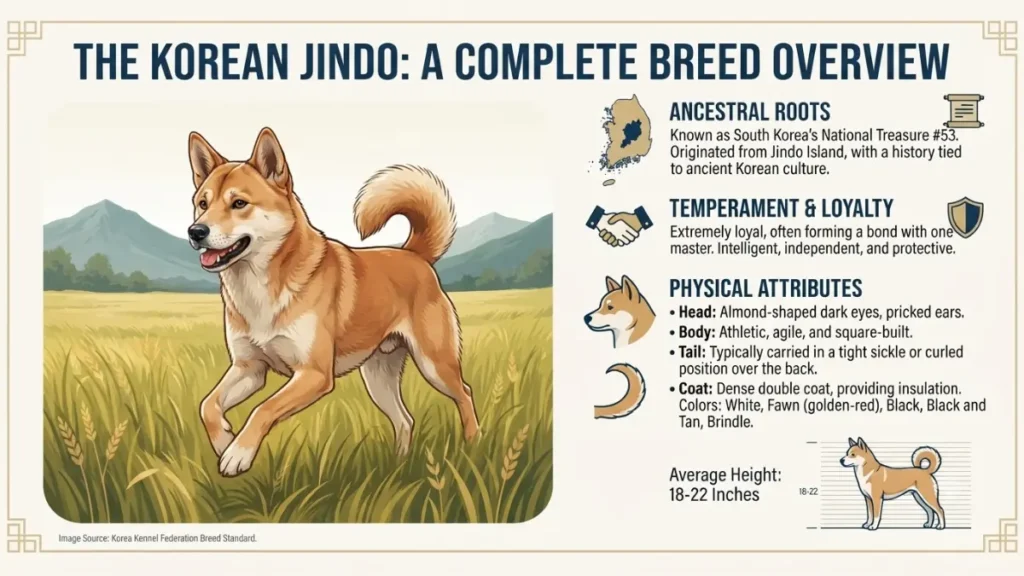
The Jindo is a medium-sized, athletic breed built for endurance, agility, and efficiency. Every aspect of its structure reflects its original role as a capable hunting dog able to travel long distances across varied terrain.
Rather than appearing bulky or heavily built, a healthy Jindo should look balanced, muscular, and naturally fit.
Height
According to internationally recognized breed standards:
Male Jindos
- 19.5–21.5 inches (50–55 cm)
Female Jindos
- 17.5–19.5 inches (45–50 cm)
Individual dogs may vary slightly, but responsible breeding aims to preserve these balanced proportions.
Weight
Healthy adult Jindos generally fall within the following ranges:
| Sex | Typical Weight |
|---|---|
| Male | 40–50 lb (18–23 kg) |
| Female | 33–42 lb (15–19 kg) |
Rather than focusing only on body weight, owners should regularly evaluate body condition.
A healthy Jindo should have:
- A visible waist when viewed from above.
- A noticeable abdominal tuck from the side.
- Ribs that can be felt beneath a thin layer of fat.
Coat Type
The Jindo has a weather-resistant double coat designed to protect it in different climates.
The coat consists of:
- A soft, dense undercoat that provides insulation.
- A straighter, harsher outer coat that helps repel dirt and moisture.
This combination helps protect the dog during colder weather while also supporting natural temperature regulation during warmer months. Even so, owners should take extra precautions during periods of extreme heat.
Coat Colors
Recognized coat colors commonly include:
- Red Fawn
- White
- Black
- Black and Tan
- Wolf Gray
- Brindle
Coat color has no impact on temperament, intelligence, trainability, or overall quality. Health, temperament, and responsible breeding should always take priority over appearance when selecting a puppy.
Physical Characteristics
Several distinctive physical traits give the Jindo its recognizable appearance:
- Wedge-shaped head
- Dark, alert eyes
- Upright triangular ears
- Strong neck
- Deep chest
- Well-balanced body
- Curled or sickle-shaped tail carried over the back
Every aspect of the breed’s structure reflects athletic efficiency rather than exaggeration, allowing the Jindo to move with speed, stamina, and agility.
Jindo Dog Lifespan
The average Jindo Dog lifespan is 12 to 15 years, although many individuals enjoy even longer lives when provided with responsible breeding, balanced nutrition, regular veterinary care, consistent exercise, and an appropriate lifestyle.
While genetics influence longevity, everyday care plays an equally important role in supporting a healthy and active life.
Factors That Affect Lifespan
Several factors contribute to a Jindo’s long-term health and longevity.
Genetics
Responsible breeders help reduce the risk of inherited health conditions by prioritizing health testing, sound temperament, and careful breeding practices.
Nutrition
A complete and balanced diet appropriate for the dog’s age, activity level, and body condition supports healthy growth, muscle maintenance, and overall wellness.
Maintaining an ideal body weight is especially important because excess weight can increase the risk of orthopedic problems and other health concerns.
Exercise
Jindos are naturally active dogs that benefit from both physical exercise and mental enrichment.
Regular activity helps:
- Maintain a healthy body weight.
- Support joint health.
- Reduce boredom.
- Improve overall physical and mental well-being.
Exercise should always be adjusted according to the dog’s age, fitness level, and medical condition.
Preventive Veterinary Care
Routine veterinary care plays a vital role in helping a Jindo live a long, healthy life. Regular checkups allow health concerns to be identified early, often before they become more serious or difficult to manage.
A preventive care plan typically includes:
- Routine wellness examinations
- Core and lifestyle-appropriate vaccinations
- Parasite prevention
- Dental care
- Health screenings when recommended by your veterinarian
Keeping up with preventive care not only supports physical health but also helps maintain your dog’s overall quality of life.
Mental Well-Being
Mental stimulation is just as important as physical exercise for this intelligent breed.
A bored or chronically stressed Jindo may develop unwanted behaviors such as excessive barking, destructive chewing, digging, or escape attempts.
To keep your dog’s mind engaged, provide:
- Puzzle toys
- Scent games
- Short training sessions
- Interactive play
- Regular family interaction
- New experiences through safe socialization
Supporting both physical and mental well-being helps many Jindos remain healthy, confident companions throughout adulthood and into their senior years.
Jindo Dog Care
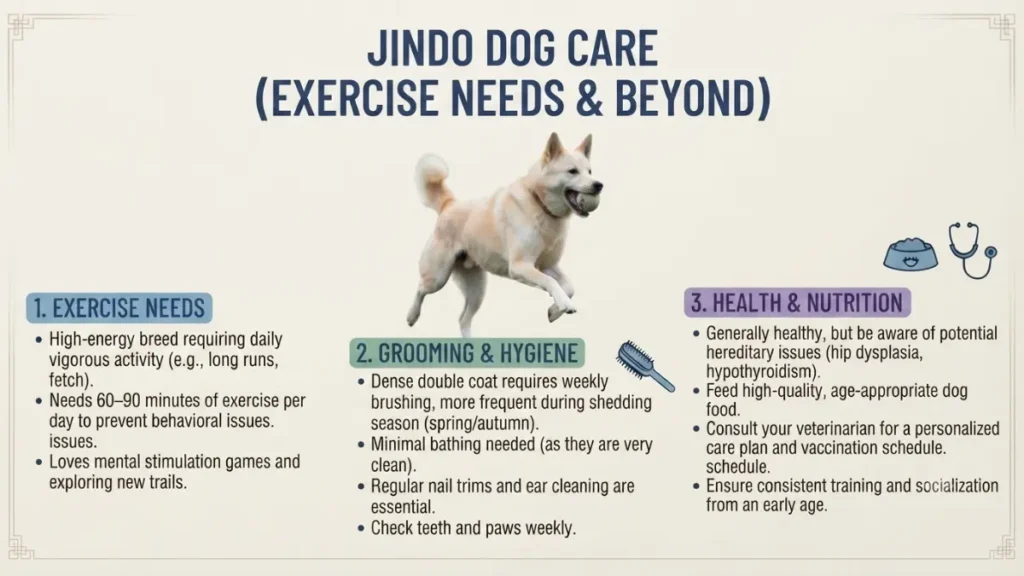
Caring for a Jindo involves much more than meeting its basic needs. This intelligent and active breed thrives on a predictable routine, regular exercise, mental enrichment, and a strong bond with its family.
Although Jindos are often described as naturally clean and relatively low-maintenance compared to many other double-coated breeds, they still require consistent care to stay healthy and happy.
Exercise Needs
Originally developed as an active hunting dog, the Jindo requires regular daily exercise to remain physically and mentally satisfied.
Most healthy adult Jindos benefit from 60 to 90 minutes of exercise each day, although the ideal amount varies depending on age, overall health, and energy level.
Suitable activities include:
- Brisk daily walks
- Hiking
- Jogging with a properly conditioned adult dog
- Fetch in a securely fenced yard
- Scent work
- Puzzle toys
- Obedience training
- Trick training
Mental exercise is equally important. Without enough stimulation, even a well-exercised Jindo may become bored and develop behaviors such as chewing, digging, or attempting to escape.
Because many Jindos retain a strong prey drive, they should not be allowed off leash in unfenced areas unless they are in a secure, legally designated location and have demonstrated reliable recall under those conditions.
Grooming Requirements
One reason many owners appreciate the Jindo is its naturally clean coat.
Routine grooming is straightforward and usually includes:
- Brushing once or twice each week
- More frequent brushing during seasonal shedding
- Regular nail trimming
- Ear inspections
- Dental care
Weekly brushing removes loose hair, distributes natural skin oils, and helps keep the coat healthy.
During seasonal coat blows, daily brushing may be necessary to remove loose undercoat and reduce the amount of hair around the home.
Shedding
Jindos shed throughout the year, with noticeably heavier shedding during seasonal coat changes.
Owners should expect:
- Light to moderate shedding during most of the year
- Heavy shedding once or twice annually
- Increased grooming requirements during seasonal coat blows
Although no grooming routine can eliminate shedding completely, regular brushing significantly reduces loose hair and helps maintain coat health.
Bathing
Unlike some breeds that require frequent bathing, most Jindos naturally stay clean.
Bathing is generally necessary only when the dog becomes visibly dirty or develops an odor.
Overbathing can remove the coat’s natural oils and contribute to dry skin, so use a dog-specific shampoo only when needed and rinse thoroughly to prevent residue from remaining on the skin.
Nail, Ear, and Dental Care
Routine hygiene is an important part of overall health.
A regular care schedule should include:
- Trimming nails before they become overgrown
- Checking ears for redness, odor, or excessive debris
- Brushing teeth several times each week using dog-safe toothpaste
- Scheduling professional dental cleanings whenever recommended by your veterinarian
These simple habits help reduce the risk of painful dental disease, nail injuries, and ear problems later in life.
Jindo Dog Training
Training a Jindo is highly rewarding, but success requires patience, consistency, and realistic expectations.
Although this breed is exceptionally intelligent, intelligence should not be confused with automatic obedience. Jindos were developed to think independently while hunting, so they often evaluate situations before responding rather than following commands immediately.
Owners who understand and respect this independent nature usually achieve better long-term results.
Intelligence
Jindos are quick learners and can understand new commands and routines relatively quickly when training remains clear, consistent, and motivating.
However, they are equally skilled at recognizing inconsistency.
If household rules frequently change, many Jindos will naturally test boundaries instead of following unclear expectations.
Providing consistent guidance, predictable routines, and positive reinforcement builds trust while encouraging dependable behavior.
Trainability
Jindos respond best to reward-based training methods that reinforce desirable behaviors through praise, treats, toys, or other meaningful rewards.
Effective training sessions should be:
- Short
- Positive
- Consistent
- Engaging
- Ended on a successful note
Harsh corrections or punishment-based techniques can damage trust and may increase fear, anxiety, or defensive behavior.
Early Socialization
Early socialization is one of the most important investments you can make in a Jindo puppy.
Introduce your puppy to a variety of positive experiences, including:
- Different people
- Friendly, well-behaved dogs
- Everyday sounds
- Various walking surfaces
- Different environments
- Routine household activities
The goal is not to make the dog love every new situation. Instead, it is to help the puppy develop confidence and learn that unfamiliar experiences can be handled calmly.
Socialization should continue throughout adulthood. Lifelong positive experiences help reinforce confidence and appropriate behavior.
Recall Training
Reliable recall can be challenging for breeds with a strong hunting instinct.
Even a well-trained Jindo may choose to chase wildlife or other moving animals if given the opportunity.
To improve recall:
- Begin training early.
- Practice in securely fenced areas.
- Reward every successful return.
- Gradually introduce distractions.
- Continue practicing throughout adulthood.
Even dogs with excellent recall should remain on a leash wherever local laws require it or where traffic and wildlife create safety risks.
Common Training Challenges
Many behaviors that new owners find frustrating are actually normal characteristics of the Jindo breed rather than signs of poor training.
Common challenges include:
- Independent decision-making
- Strong prey drive
- Selective responsiveness
- Territorial tendencies
- Reserved behavior around strangers
- Boredom if training becomes repetitive
These behaviors are usually easier to manage through:
- Daily physical exercise
- Regular mental enrichment
- Consistent household routines
- Lifelong socialization
- Positive reinforcement training
Rather than trying to dominate a Jindo, focus on building a cooperative relationship based on trust, consistency, and clear communication.
Feeding and Nutrition
Proper nutrition supports every stage of a Jindo’s life, from puppyhood through the senior years.
Although the breed does not require a specialized diet, it benefits from a complete and balanced food formulated for its age, activity level, body condition, and overall health.
When selecting a commercial dog food, choose products that meet recognized nutritional standards and consult your veterinarian if your dog has specific dietary requirements or underlying health conditions.
Nutritional Needs
A healthy Jindo generally requires a diet that provides:
- High-quality protein for muscle maintenance
- Healthy fats for energy
- Essential vitamins and minerals
- Balanced carbohydrates and fiber
- Constant access to fresh, clean drinking water
Every dog is different. Nutritional needs vary according to age, activity level, metabolism, body condition, and medical history.
Avoid comparing your dog’s food intake with another Jindo. Portion sizes should always be adjusted for the individual dog rather than following a one-size-fits-all approach.
Feeding by Life Stage
Puppy
Growing puppies require food specifically formulated to support healthy development.
Most puppies benefit from:
- Multiple small meals each day
- Consistent feeding times
- Regular weight monitoring
- Gradual transitions when changing foods
Avoid overfeeding. Excessive weight gain during growth can place unnecessary stress on developing bones and joints.
Adult
Healthy adult Jindos are commonly fed two measured meals per day.
A consistent feeding routine helps:
- Maintain a healthy body weight
- Support digestion
- Reduce begging behavior
- Make appetite changes easier to recognize
If your dog’s activity level changes significantly, adjust portion sizes accordingly while monitoring body condition.
Senior
As Jindos age, their nutritional requirements may change.
Senior dogs may benefit from:
- Calorie adjustments based on activity level
- Diets that help preserve lean muscle mass
- Routine weight monitoring
- Veterinary guidance for age-related health concerns
Regular wellness examinations become increasingly important during the senior years.
Healthy Weight Management
Maintaining an ideal body condition is one of the most effective ways to support your Jindo’s long-term health.
A healthy dog should have:
- A visible waist when viewed from above
- A noticeable abdominal tuck when viewed from the side
- Ribs that are easy to feel beneath a thin layer of fat
Unexpected weight gain or weight loss should always be discussed with your veterinarian instead of making major dietary changes on your own.
Treat Guidelines
Treats can be valuable training rewards, but they should complement a balanced diet rather than replace it.
Use treats responsibly by:
- Choosing nutritious options
- Keeping portions small
- Including treat calories in the daily food allowance
- Saving higher-value treats for more challenging training sessions
Fresh drinking water should always be available, especially after exercise and during warm weather.
With balanced nutrition, regular exercise, and preventive veterinary care, many Jindos enjoy long, active lives while maintaining a healthy body condition.
Health
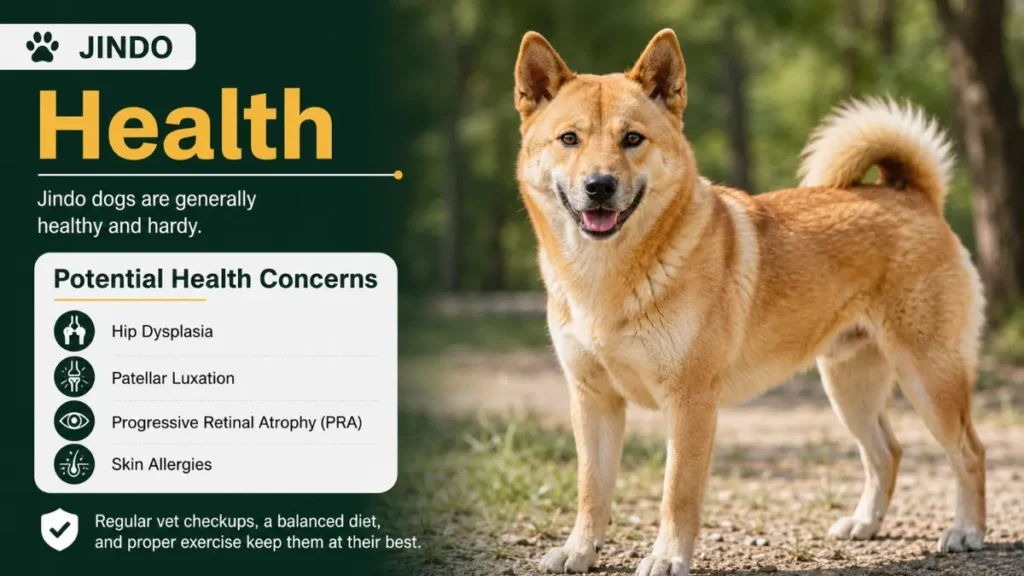
The Jindo is generally considered a healthy breed, particularly when responsibly bred and provided with appropriate lifelong care. Like all breeds, however, it can still develop certain inherited or acquired health conditions.
Understanding potential health concerns allows owners to work proactively with their veterinarian instead of waiting until problems become serious.
Common Health Concerns
Although many Jindos remain healthy throughout their lives, conditions reported in the breed include:
- Hip dysplasia
- Hypothyroidism
- Patellar luxation
- Certain inherited eye disorders
- Some immune-mediated skin conditions, including discoid lupus erythematosus (reported but considered uncommon)
Not every Jindo will develop these conditions. Many dogs never experience significant hereditary health problems.
If you are purchasing a puppy, ask the breeder about recommended health testing for the parents and request supporting documentation whenever available.
Preventive Care
Preventive healthcare plays a major role in supporting lifelong wellness.
A routine care plan should include:
- Regular veterinary examinations
- Recommended vaccinations
- Parasite prevention
- Dental care
- Healthy weight management
- Appropriate daily exercise
- Balanced nutrition
Early detection often allows health conditions to be managed more effectively before they progress.
Veterinary Screening
Your veterinarian may recommend additional health screening based on your dog’s:
- Age
- Family history
- Lifestyle
- Clinical signs
Senior Jindos, in particular, benefit from more frequent health evaluations because age-related conditions are often easier to manage when identified early.
If you notice persistent limping, unexplained weight changes, increased thirst, skin abnormalities, or significant changes in behavior, arrange a veterinary examination rather than assuming these changes are simply part of aging.
Jindo Dog Puppy Guide
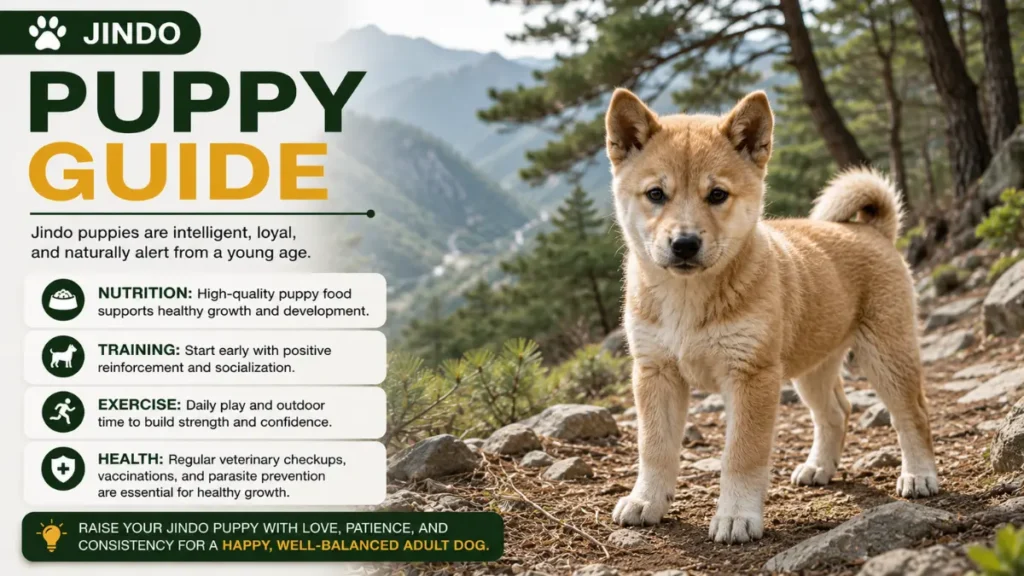
The first year of a Jindo puppy’s life helps shape its future behavior, confidence, and overall health.
Because the breed is naturally intelligent and independent, consistent guidance from an early age is especially important.
First Weeks at Home
Bringing home a Jindo puppy is an exciting experience, but it also represents a major adjustment for the puppy.
During the first few weeks:
- Establish a predictable daily routine.
- Begin crate training if appropriate.
- Introduce household rules consistently.
- Allow the puppy time to adjust to its new environment.
- Focus on building trust before expecting advanced obedience.
Young puppies learn best through patience, repetition, and positive experiences.
Socialization Priorities
Socialization is one of the most valuable investments you can make during puppyhood.
Introduce your puppy to:
- Different people
- Friendly, vaccinated dogs
- Everyday household sounds
- Various walking surfaces
- Car rides
- Veterinary visits
- Grooming routines
Keep every experience calm, controlled, and positive. The objective is to build confidence rather than overwhelm the puppy.
Training Priorities
During the first year, focus on building practical life skills rather than advanced obedience.
Important foundation skills include:
- Name recognition
- Recall foundations
- Loose-leash walking
- Sit
- Stay
- Leave it
- Drop it
- Calm handling
Short, enjoyable training sessions are usually more productive than long, repetitive lessons. Ending each session on a positive note helps maintain motivation and strengthens the bond between dog and owner.
Exercise Guidelines for Puppies
Puppies have different exercise needs than adult dogs.
Instead of long-distance running or strenuous hikes, provide:
- Short walks
- Gentle play sessions
- Interactive toys
- Safe exploration
- Mental enrichment
Avoid excessive high-impact exercise while your puppy is still growing, as developing joints and bones are more vulnerable to injury.
Living With a Jindo
The Jindo’s personality makes it an outstanding companion in the right home. However, successful ownership depends on matching the breed’s needs with your lifestyle and committing to consistent care throughout its life.
Apartment Living
A Jindo can adapt well to apartment living when its physical and mental exercise needs are consistently met.
Owners should provide:
- Multiple daily walks
- Daily enrichment activities
- Regular training sessions
- Safe opportunities to explore new environments
Without sufficient exercise and mental stimulation, boredom may contribute to unwanted behaviors.
Houses With Yards
A securely fenced yard provides valuable space for exercise and enrichment, but it should never replace daily interaction with the family.
Most Jindos enjoy spending time outdoors while also thriving as active members of the household.
Because of the breed’s athletic ability and prey drive, fencing should always be secure and inspected regularly for potential escape points.
Climate Suitability
The Jindo’s double coat provides excellent insulation in cooler weather.
During hot weather:
- Provide fresh drinking water at all times.
- Exercise during cooler parts of the day.
- Ensure access to shade.
- Monitor for signs of overheating.
Avoid shaving the coat unless specifically recommended by a veterinarian for medical reasons, as the double coat also helps regulate body temperature.
Families
Many Jindos become deeply devoted family companions.
They generally do best in homes where:
- Children understand respectful dog handling.
- Adults supervise interactions.
- Household rules remain consistent.
- Daily exercise and mental enrichment are priorities.
Every dog is an individual, so successful family life depends on the dog’s temperament, proper training, and responsible management.
Experienced vs. First-Time Owners
The Jindo is generally better suited to owners who have experience with independent breeds.
Experienced owners are often better prepared to:
- Recognize breed-specific behaviors.
- Maintain consistent training.
- Manage prey drive safely.
- Continue socialization throughout adulthood.
- Set realistic expectations.
First-time owners can certainly succeed, but they should be prepared to invest additional time in education, structured training, and professional guidance whenever needed.
Pros and Cons of Owning a Jindo Dog
Understanding both the strengths and challenges of the breed helps prospective owners make an informed decision.
| Pros | Cons |
|---|---|
| Extremely loyal to its family | Can be independent during training |
| Intelligent and quick to learn | Strong prey drive can make off-leash freedom difficult |
| Naturally clean with minimal dog odor | Often reserved with strangers |
| Moderate grooming requirements | Requires early and ongoing socialization |
| Excellent hiking and outdoor companion | May not get along with unfamiliar same-sex dogs |
| Generally healthy and long-lived | Needs daily physical and mental exercise |
| Calm indoors after adequate exercise | Usually better suited to experienced owners |
The breed’s strengths are most apparent when owners understand and respect its natural instincts rather than expecting it to behave like a highly social companion breed.
Is the Jindo Dog the Right Breed for You?
Choosing the right breed is about compatibility rather than popularity.
A Jindo May Be Right for You If You:
- Want a loyal and devoted companion.
- Enjoy an active lifestyle.
- Appreciate an intelligent, independent dog.
- Can provide lifelong training and socialization.
- Can safely manage a dog with a strong prey drive.
- Prefer a naturally clean and relatively quiet breed.
You May Want to Consider Another Breed If You:
- Want a dog that eagerly greets everyone.
- Expect reliable off-leash freedom in open public areas.
- Have little time for daily exercise or training.
- Prefer an easy first dog with minimal behavioral challenges.
- Frequently leave your dog without adequate physical or mental stimulation.
Decision Checklist
Before bringing home a Jindo, ask yourself:
- Can I provide at least 60–90 minutes of daily exercise?
- Am I prepared to continue training throughout my dog’s life?
- Can I safely manage a dog with hunting instincts?
- Do I have secure fencing or a reliable leash-management plan?
- Am I committed to lifelong socialization?
- Have I researched responsible breeders or breed-specific rescue organizations?
Answering “yes” to most of these questions suggests that a Jindo may be a good fit for your lifestyle.
Common Mistakes New Owners Make
Even experienced dog owners sometimes misunderstand the Jindo’s unique personality.
Avoid these common mistakes:
1. Expecting Instant Obedience
Jindos are intelligent but independent. Consistent, patient training produces better long-term results than expecting immediate compliance.
2. Skipping Early Socialization
Delaying socialization can make adjustment to new people, places, and situations more challenging later in life.
3. Underestimating Prey Drive
Many Jindos naturally chase small animals. Secure fencing and responsible leash management remain essential throughout adulthood.
4. Not Providing Enough Exercise
Insufficient physical activity and mental stimulation may contribute to boredom-related behaviors such as chewing, digging, or escaping.
5. Inconsistent Household Rules
Changing expectations from day to day can confuse an intelligent dog. Consistency builds confidence and improves cooperation.
6. Choosing a Breeder Based Only on Price
Responsible breeders prioritize health, temperament, and breed preservation. If adopting, choose a reputable rescue that carefully evaluates each dog’s needs and behavior.
Frequently Asked Questions
Are Jindo Dogs good family pets?
Yes. Properly socialized Jindos often become loyal family companions and usually do best with respectful children under adult supervision.
Are Jindo Dogs good for first-time owners?
They can be, but they are generally better suited to owners willing to invest significant time in learning about positive training and breed-specific behavior.
Do Jindo Dogs bark a lot?
Most Jindos are not excessive barkers. However, they are naturally alert and may bark to notify their owners of unfamiliar people or unusual activity.
Do Jindo Dogs shed?
Yes. They shed moderately throughout the year, with heavier seasonal shedding once or twice annually.
Are Jindo Dogs easy to train?
They are intelligent and capable of learning quickly, but their independent nature means they respond best to consistent, reward-based training.
Can Jindo Dogs live with cats?
Some can, especially when raised together from puppyhood. However, introductions should always be managed carefully because many Jindos retain a strong prey drive.
How much exercise does a Jindo need?
Most healthy adult Jindos benefit from approximately 60–90 minutes of daily exercise, combined with regular mental enrichment.
How long do Jindo Dogs live?
The average lifespan is 12–15 years, although many individuals live longer with responsible breeding, preventive veterinary care, balanced nutrition, and a healthy lifestyle.
Key Takeaways
The Korean Jindo is an intelligent, loyal, and naturally athletic breed that thrives with owners who appreciate its independent personality and are willing to invest in consistent training, daily exercise, and lifelong socialization.
Before bringing home a Jindo, carefully consider both the breed’s strengths and its responsibilities. Matching the dog’s natural instincts with your lifestyle is the foundation of successful ownership.
For the right owner, the Jindo can become an exceptionally devoted companion for many years.
Continue Learning
Responsible dog ownership is a lifelong learning process.
To expand your knowledge, explore additional resources on:
- Puppy care
- Dog nutrition
- Positive reinforcement training
- Grooming
- Preventive healthcare
- Other Spitz-type breeds
- Responsible breeding and adoption
Building your understanding over time will help you make informed decisions and provide the best possible care throughout every stage of your Jindo’s life.